
Opening a dental practice involves dozens of decisions from technology, staffing, workflows, and patient experience. HIPAA compliance is often included on that list, but many startups treat it as something to finalize later. That delay can create risk before the first patient is ever seen.
Most HIPAA violations don’t come from complex cyberattacks. They come from everyday operational gaps, such as how systems are set up, how staff use them, and how patient information moves through the practice.
Below are some issues that dental startups could easily ignore and real examples of how those gaps have led to costly consequences. Although some examples aren't specifically dental, they still represent the issues that healthcare practices, especially dental startups, should look out for.
Mistake #1: No Business Associate Agreements (BAAs):

Do you have a BAA with your third-party vendors?
When working with third-party vendors that handle patient data, having a
Business Associate Agreement (BAA) in place is required under HIPAA.
Without it, your practice is still fully responsible for how that data is handled.
For Instance:
FileFax, Inc. paid $31,000 after exposing patient records online without having proper Business Associate Agreements in place.
What FileFax could have done differently:
-
Ensured all vendors handling PHI had signed BAAs before access was granted.
-
Verified how third-party systems stored and protected patient data.
-
Regularly contacted vendors about patient data security.
What this means for startups:
Startups often move quickly when selecting vendors. It’s imperative that all vendors agree to a Business Associate Agreement. If a vendor mishandles patient data and no BAA exists, the responsibility falls on your practice. Every vendor relationship involving Protected Health Information should be formalized before systems go live.
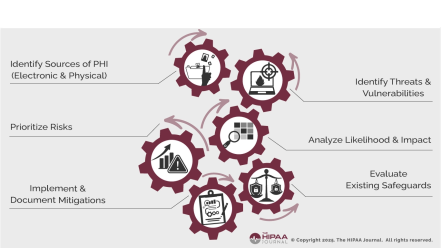
Mistake #2: Skipping Risk Assessments Entirely:
Did you know that a HIPAA risk assessment is necessary? Without it, practices don’t fully understand where patient data is stored, how it’s transmitted, or where security vulnerabilities exist. Not only that, but if it’s found out you haven’t done a risk assessment, you could be fined.
For Instance:
Bryan County Ambulance Authority paid $90,000 after a ransomware attack exposed patient data. The investigation found the organization had never completed a proper HIPAA risk analysis.
What Bryan County Ambulance Authority could have done differently:
-
Conducted a full risk assessment before implementing systems.
-
Identified where ePHI was stored and how it was protected.
-
Addressed vulnerabilities before they were exploited.
What this means for startups:
Risk assessments are not just a compliance requirement; they define how your entire system is built. Without one, vulnerabilities go unnoticed until something goes wrong. Completing this step early allows startups to build securely from the start instead of reacting later.
Mistake #3: Improper Use of Patient Data:
Using patient information outside of its intended purpose, whether intentional or not, can lead to serious HIPAA violations. Patient data should never be used without proper authorization.
For Instance:
Northcutt Dental-Fairhope LLC paid $62,500 after making patient contact information public through a political campaign. They did this without authorization from the patient.
What the practice could have done differently:
-
Established clear policies for external communications involving patient information.
-
Required internal review and approval before releasing any patient-related details.
-
Trained staff on what qualifies as protected health information (PHI), even in non-clinical contexts.
What this means for startups:
Every communication process should be defined before it’s used. Anything from an email to a text message can be seen as a violation as long as it contains patient information. Protected Health Information (PHI) should not be treated lightly.
Mistake #4: Failing to Provide Patient Records:
HIPAA requires practices to provide patients with access to their records within a specific timeframe. Failing to do so is one of the most commonly enforced violations.
For Instance:
Gums Dental Care was fined $70,000 after repeatedly failing to provide patient records in a timely manner.
What the practice could have done differently:
-
Established a clear process for handling record requests.
-
Tracked and fulfilled requests within required timelines.
-
Trained staff on patient rights under HIPAA.
What this means for startups:
All employees should be trained on patients' rights under HIPAA. Ignorance to patients' rights can result in staff ignoring requests that are within the patient's ability to ask.
Mistake #5: Information Leaks:
Double-checking information before it’s sent outside the office, especially protected health information (PHI), is essential for any practice, otherwise there could be consequences.
For Instance:
Memorial Hermann Health System paid $2.4 million after disclosing a patient’s identity in a press release.
What Memorial Hermann could have done differently:
-
Established clear policies for external communications involving patient information.
-
Required internal review and approval before releasing any patient-related details.
-
Trained staff on what qualifies as protected health information (PHI), even in non-clinical contexts.

What this means for startups:
Every communication process should be defined before it’s used. Anything from an email to a text message containing patient information can be seen as a violation. Patient health information should not be treated lightly.
Final Thoughts:
For dental startups, the most effective way to avoid costly mistakes is to give HIPAA compliance your utmost attention. HIPAA compliance is built into the decisions made during setup, how systems are configured, how staff are trained, and how information is handled every day.
A great resource on more HIPAA information is here at our Darkhorse Tech Blog.
Author Name: Reuben Kamp
Title: CEO
Company: Darkhorse Tech
Website: https://www.darkhorsetech.com/
Email: sales@darkhorsetech.com
Darkhorse Tech delivers specialized dental IT support that reduces downtime, strengthens cybersecurity, and directly improves practice profitability through proactive, industry-specific technology management.